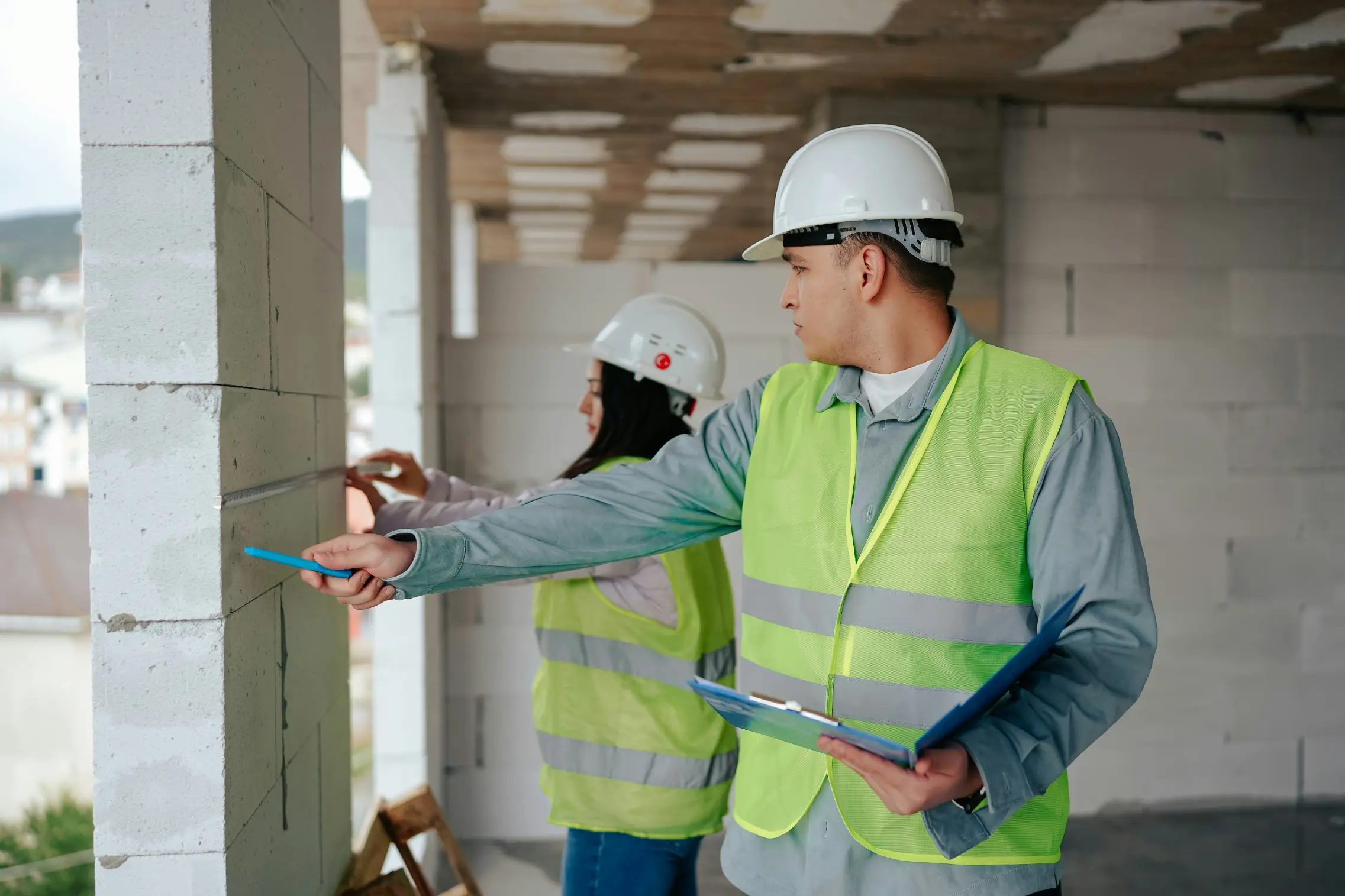
Maintaining older buildings in Québec is a reality shared by thousands of owners: a large part of the housing stock was built before the 1980s, with materials, standards and systems that have aged. Today, these buildings require a structured approach, not just a reactive one.
Maintaining an older building in Québec is not only a matter of comfort for tenants. Since April 1, 2026, it is also a strengthened legal obligation for owners. Understanding these requirements and anticipating them means protecting the value of your investment over the long term.
Maintaining older buildings in Québec: the challenges of pre-1980 buildings
Maintaining older buildings in Québec starts with an honest reading of their vulnerabilities. These vulnerabilities mainly affect three critical systems, which deserve special attention during any serious inspection.
Aging plumbing
Galvanized or lead pipes, common in buildings constructed before 1975, are subject to internal corrosion and calcification. They reduce water flow, promote contamination and can crack without warning, causing significant water damage.
Signs to watch for include discoloured water at the tap, irregular pressure between units and moisture stains on ceilings or walls. A camera inspection of the main stacks is recommended every ten years for buildings more than 40 years old.
Outdated electrical systems
Many buildings from the 1960s and 1970s were built with fuse panels or aluminum wiring, two configurations that insurers and current standards consider high risk. Bringing the electrical system up to code is often a condition imposed by insurers when a policy is renewed.
The Québec Construction Code (in French) sets the technical requirements applicable to renovations and code upgrades, but the work must be carried out by a certified master electrician.
Insufficient thermal insulation
Pre-1980 buildings were rarely insulated to current standards. Exterior walls, unfinished basements and under-insulated attics cause significant heat loss that translates directly into high heating costs, for the owner as well as for tenants.
Poor insulation also promotes condensation, a source of mould in units, which can engage the owner’s liability under the Civil Code of Québec.
The new municipal obligations in force since April 2026
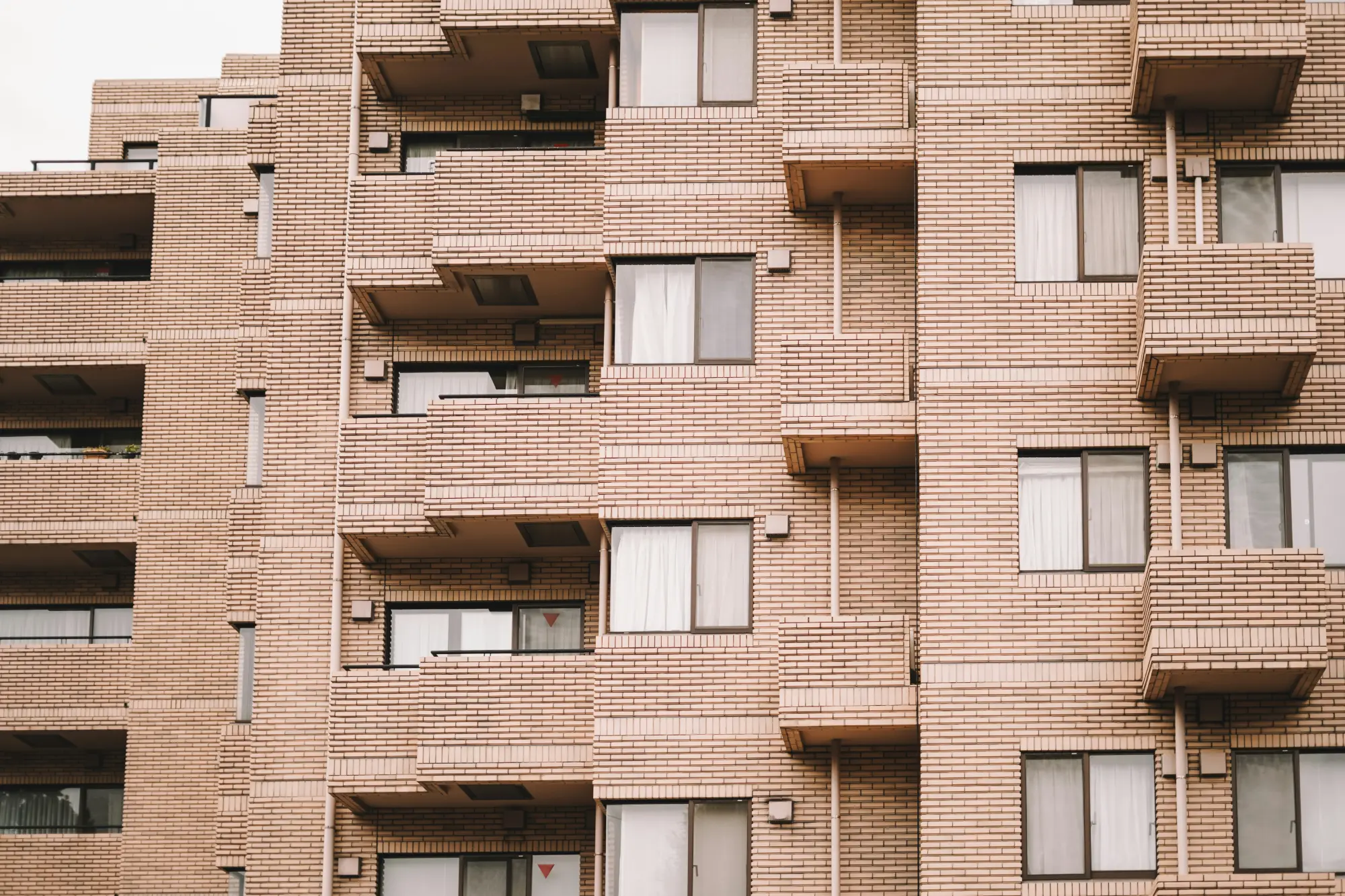
Since April 1, 2026, every local municipality in Québec is required to keep in force a by-law on the occupancy and maintenance of buildings (in French) on its territory. This requirement stems from the Act to amend the Cultural Heritage Act (Bill 69) (in French), adopted in 2021 with a five-year transition period.
These new rules put the maintenance of older buildings in Québec at the heart of owners’ responsibilities and require them to:
- Keep their building in good structural condition and watertight
- Repair defective roofs, damaged walls and deteriorated framing
- Quickly eliminate mould and prevent it from reappearing
- Ensure buildings are protected against the elements
Heritage buildings listed in the RCMs’ inventories are targeted first, but municipalities can extend application to all residential buildings on their territory. A notice of deterioration may be issued by the city, and a new owner may inherit the applicable fine when acquiring a building already targeted.
This reform changes the game for owners of older buildings: deferred maintenance is no longer just a financial risk, it is a legal risk.
Not sure about the actual condition of your building? A preventive inspection makes it possible to target priority work before a minor deficiency becomes a major expense. Schedule an inspection of your building.
Preventive vs. corrective maintenance: why the difference is crucial
Too many owners handle the maintenance of older buildings in Québec in reactive mode: you fix it when it breaks. It is a strategy that systematically costs more in the medium term, for three main reasons.
Secondary damage accumulates. Untreated water infiltration in a roof can, over two or three winters, lead to damage to the framing, walls and insulation, multiplying the initial cost by five or ten.
Emergencies cost more. A plumber called in for an emergency on a Sunday evening charges two to three times the normal rate. A network of regular suppliers, engaged for planned maintenance, generates substantial savings.
Tenants leave. A poorly maintained unit increases turnover, and each change of tenant brings leasing, cleaning and restoration costs.
Priorities for maintaining older buildings in Québec
The following elements illustrate why maintaining older buildings in Québec should not be deferred:
- Roof and waterproofing membrane: annual inspection, preventive replacement every 15 to 25 years depending on the type of covering
- Foundations and perimeter drainage: visual inspection every two years, immediate treatment of infiltration
- Heating system: mandatory annual maintenance, replacement of equipment that has exceeded its useful life
- Main plumbing stack: camera inspection every ten years for buildings more than 40 years old
- Exterior cladding: inspection of the integrity of caulking and joints every fall
- Ventilation: cleaning of range hoods and ducts twice a year to prevent mould
For owners who want to structure a preventive maintenance program, our professional maintenance services offer complete management with 24/7 availability for emergencies.
The financial risks of neglected maintenance

Maintaining older buildings in Québec also has a strictly financial dimension. A poorly maintained building does not just lose value; it generates exponential costs as problems accumulate.
| Neglected problem | Estimated initial cost | Cost after deterioration |
|---|---|---|
| Crack in the roof | $500 to $1,500 | $15,000 to $50,000 (framing) |
| Leaking faucets | $150 to $400 | $3,000 to $10,000 (water damage) |
| Deficient caulking | $300 to $800 | $5,000 to $20,000 (mould) |
| Outdated electrical panel | $2,000 to $5,000 | Insurance cancellation, fire |
Insurers closely monitor the condition of older buildings. A building with known deficiencies may see its premium rise substantially or, in extreme cases, be refused renewal of coverage.
In addition, a tenant who files a complaint with the Tribunal administratif du logement (TAL), Québec’s rental housing tribunal, for a habitability problem related to a lack of maintenance may obtain a rent reduction or compensatory damages. This dispute management page presents the services available to support owners in these situations.
Conclusion
Maintaining older buildings in Québec requires rigorous planning, knowledge of the new regulatory obligations and a network of reliable suppliers.
Do you own an older building and want to establish a structured maintenance plan? Request a professional assessment and benefit from complete management with 24/7 availability.
FAQ
What are the obligations related to maintaining older buildings in Québec since 2026?
Since April 1, 2026, Québec municipalities must keep a by-law on the occupancy and maintenance of buildings in force, under Bill 69. Maintaining older buildings in Québec now requires owners to keep their building sound, watertight and protected against the elements. Non-compliance can lead to notices of deterioration registered in the land register and to fines that can be passed on to a new buyer in the event of a sale.
How often should an older rental building be inspected?
For a building constructed before 1980, an annual general inspection is recommended, combined with seasonal checks of critical systems such as the roof, plumbing, heating and foundations. A camera inspection of the plumbing stacks is advised every ten years for buildings more than 40 years old. These checks make it possible to detect defects early and prevent a small problem from becoming a costly repair.
Who is responsible for repairs in an older rental building in Québec?
Under the Civil Code of Québec, the owner is responsible for all major repairs needed to keep the dwelling in good condition, including plumbing, heating, the roof and the structure. Minor routine maintenance repairs may be the tenant’s responsibility depending on the terms of the lease. However, defects related to the building’s age and any habitability problem remain the owner’s responsibility.

Need a quote for your property management?
Get a personalized assessment with no commitment.
Request a quote